

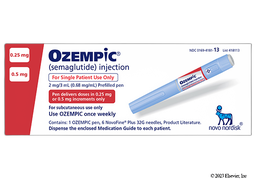
GLP-1 drug interactions are worth understanding before starting a medication like Ozempic, Wegovy, or Mounjaro — not because these interactions are usually dangerous, but because several of them require monitoring or dose adjustments that are easy to miss if you don’t know to flag them.
Why GLP-1 Medications Interact With Other Drugs
The main mechanism behind most interactions is delayed gastric emptying — GLP-1 medications slow down how quickly your stomach empties its contents into the small intestine. This can affect how quickly and how completely other oral medications are absorbed, which matters most for drugs where timing or absorption levels are clinically important.
Diabetes Medications: The Most Important GLP-1 Drug Interaction Category
Insulin and sulfonylureas (like glipizide or glimepiride) carry the most clinically significant interaction risk: combined with a GLP-1’s own blood-sugar-lowering effect, the combination increases the risk of hypoglycemia (low blood sugar). This often requires a dose reduction of the insulin or sulfonylurea when starting a GLP-1, which is exactly why this combination needs direct medical supervision rather than self-management. Signs of hypoglycemia — shakiness, sweating, confusion, rapid heartbeat — should be taken seriously and reported to your care team if they occur.
Oral Medications With Narrow Timing Requirements
Because gastric emptying is slowed, oral medications that need to be absorbed quickly or at a specific rate can behave differently. This is particularly relevant for:
- Oral contraceptives, where absorption timing matters for reliability — some guidance suggests additional precautions, particularly around the first weeks of starting or during dose increases
- Medications with a narrow therapeutic window (where the effective dose and the risky dose are close together), which may need blood level monitoring more closely after starting a GLP-1
Blood Thinners
Anticoagulants like warfarin can be affected by changes in appetite, diet, and absorption patterns that occur when starting a GLP-1. This doesn’t mean the combination is unsafe, but it often means more frequent monitoring (such as INR checks for warfarin) during the adjustment period, particularly around dose titration.
Other Weight-Loss or Appetite-Affecting Medications
Combining a GLP-1 with other appetite suppressants or weight-loss medications isn’t generally recommended without direct medical guidance, both because the combined effect on appetite and food intake can be more than intended, and because the safety of these combinations hasn’t been as thoroughly studied as either medication alone.
What to Actually Do About GLP-1 Drug Interactions
The most useful step isn’t memorizing a list of interacting drugs — it’s giving your prescriber a complete, accurate list of everything you currently take, including over-the-counter medications, supplements, and any other prescriptions, before starting treatment. Many interactions are manageable with monitoring or minor dose adjustments; the risk mainly comes from an interaction that nobody knew to watch for. You can also review official prescribing information through the FDA’s MedWatch program.
Questions Worth Asking Your Prescriber
- Do any of my current medications need a dose adjustment when I start this treatment?
- Should I be monitoring anything more closely (blood sugar, INR, etc.) during the first few weeks?
- Are there specific symptoms related to an interaction that I should watch for and report right away?
- Does the timing of when I take my other medications relative to my GLP-1 injection matter?
The Bottom Line on GLP-1 Drug Interactions
Most people can safely combine a GLP-1 medication with their existing prescriptions, but a few categories — particularly insulin, sulfonylureas, blood thinners, and medications with narrow timing requirements — need active monitoring or dose adjustment rather than being left unmonitored. Giving your prescriber a complete medication list before starting, and asking directly what (if anything) needs to change, is the most reliable way to catch these interactions before they become a problem. See our eligibility guide for more on the assessment process.
This article is for general educational purposes and is not a substitute for advice from your prescriber. Always disclose all medications and supplements to your healthcare provider before starting a new treatment.