

Stop taking Wegovy, and your appetite doesn’t stay suppressed forever — whether you’re planning a break, finishing a course of treatment, or just thinking ahead, knowing what actually happens is important for setting realistic expectations rather than being caught off guard. This guide covers the transition off Wegovy.
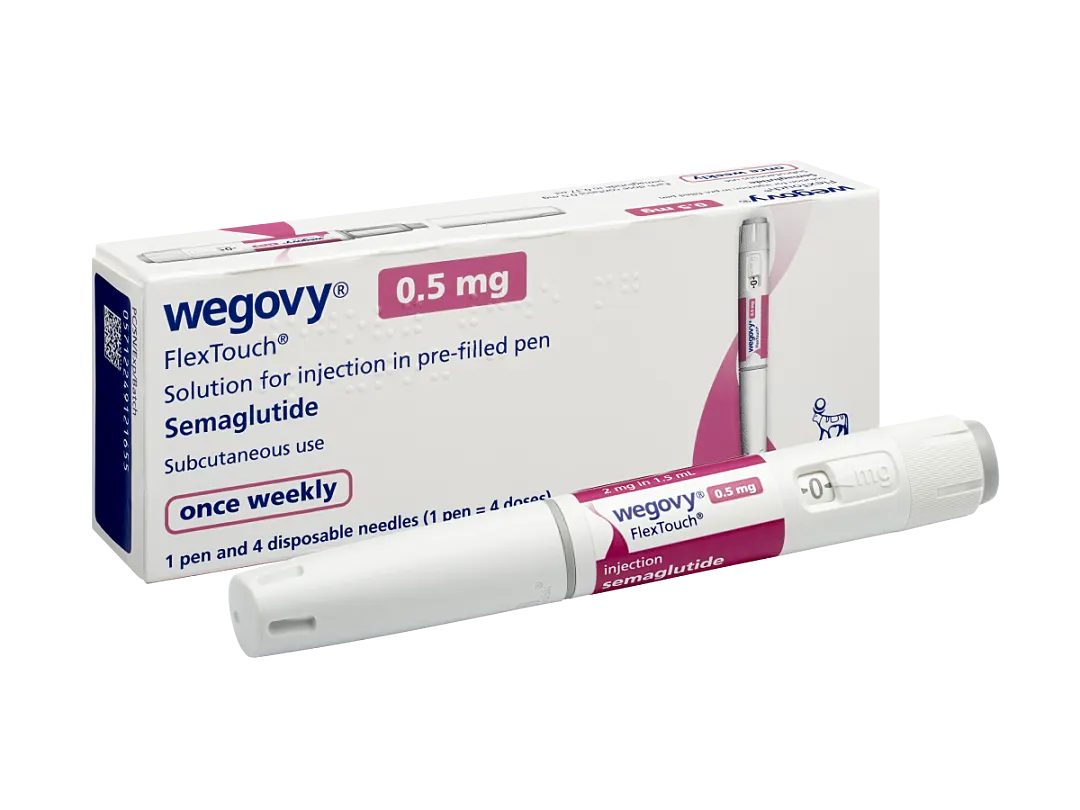
The Core Fact: Appetite Suppression Is Not Permanent
Wegovy works by mimicking a hormone that affects appetite regulation while you’re taking it — it doesn’t permanently reset your body’s hunger signals or metabolism. When the medication is stopped, its appetite-suppressing effect fades over roughly the same timeframe it took to build up, typically within a few weeks as semaglutide clears from your system.
Weight Regain After You Stop Taking Wegovy Is Common, Not Universal
Clinical trial data following people after they stopped semaglutide has shown that a significant portion of lost weight is regained over the following year without continued treatment or significant lifestyle changes. This isn’t a personal failure — it reflects how the medication’s effect works, not a lack of willpower. That said, regain isn’t inevitable or uniform: people who’ve used the treatment period to build sustainable habits (structured eating patterns, regular exercise, other behavioral changes) tend to retain more of their results than people who relied primarily on the appetite suppression itself.
Why This Happens Physiologically
Your body has multiple systems working to defend a previous “set point” weight, including hormonal changes that increase hunger and decrease metabolic rate after weight loss — this is true regardless of how the weight was lost, and it’s part of why weight loss maintenance is broadly difficult, not something unique to GLP-1 medications. Stopping the medication removes the tool that was counteracting this pull, while the body’s own regain-promoting mechanisms remain active.
What to Expect Week by Week After You Stop Taking Wegovy
Weeks 1-4: Appetite typically begins returning toward baseline as the drug clears your system. Many people notice hunger cues becoming stronger and more frequent during this window.
Weeks 4-12: This is often when weight regain, if it happens, becomes most noticeable, particularly without a structured plan in place for maintaining the habits built during treatment.
Beyond 3 months: The trajectory largely depends on what habits and support systems are in place. People who’ve established consistent eating and activity patterns during treatment tend to see a more gradual, partial regain rather than a full return to baseline.
How to Reduce Regain If You’re Planning to Stop
- Build habits before you stop, not after — establishing a sustainable eating pattern and activity routine while appetite suppression is still helping makes the transition considerably easier
- Consider a gradual taper if your prescriber recommends one, rather than stopping abruptly, though this depends on your specific situation and treatment plan
- Have a maintenance plan in place, ideally discussed with your care team before stopping, rather than figuring it out after appetite returns
- Track weight and habits during the transition so you can catch and respond to regain trends early rather than after significant weight has returned
You can review official prescribing information through the FDA’s MedWatch program.
Is Long-Term or Indefinite Treatment an Option?
For some people, particularly those with obesity-related health conditions, longer-term or ongoing treatment is a reasonable and increasingly common approach, similar to how other chronic conditions are managed with continuous medication rather than a fixed course. Whether this makes sense for you is a conversation to have directly with your prescriber, weighing your specific health profile, goals, and how you responded to treatment.
When to Talk to Your Care Team Before You Stop Taking Wegovy
Ideally, before you stop — whether that’s due to cost, side effects, reaching a goal, or any other reason. Your care team can help you plan the transition, discuss whether a taper makes sense, and put a maintenance strategy in place ahead of time rather than reactively. See our weight loss journey programme for ongoing support options.
The Bottom Line
Stopping Wegovy typically leads to appetite gradually returning to baseline over a few weeks, and weight regain is common without a plan in place, reflecting how the medication works rather than a personal shortcoming. Building sustainable habits during treatment, and planning the transition with your care team rather than stopping abruptly and unplanned, makes a meaningful difference in how much of your progress you’re able to maintain.
This article is for general educational purposes and is not a substitute for advice from your prescriber. Always discuss stopping or changing your treatment plan with your healthcare provider.
One Response