

Knowing the difference between an expected Ozempic side effect and a warning sign is one of the most useful things to learn before you start treatment — most side effects are mild and temporary, but a small number of symptoms should prompt a call to your care team right away. This guide covers what to expect if you’re taking Ozempic for weight loss.
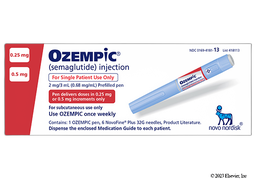
Common, Usually-Temporary Ozempic Side Effects
Nausea is the most frequently reported side effect, especially in the first few weeks and after each dose increase. Diarrhea, constipation, vomiting, and stomach pain are also common, generally mild to moderate, and tend to improve as your body adjusts to a given dose. Reduced appetite is expected — it’s part of how the medication works — but can still feel like an adjustment, especially around normal mealtimes. Fatigue and mild headache are reported by some people, more often early in treatment.
Why These Happen
Ozempic (semaglutide) slows how quickly the stomach empties and affects appetite-regulating signals in the brain. The gastrointestinal side effects are largely a direct consequence of that slowed digestion — food sitting in the stomach longer than usual can cause the fullness, nausea, and occasional discomfort that many people notice, especially after larger or fattier meals.
Common Doesn’t Mean Ignorable
Even “common” Ozempic side effects are worth managing actively rather than just tolerating. Eating smaller meals, eating slowly, and avoiding very rich or greasy food all reduce how often nausea shows up. If a common side effect is significantly affecting your ability to eat, stay hydrated, or function day to day, that’s worth a conversation with your care team even if it’s technically “expected” — dose timing or pace of titration can sometimes be adjusted.
Serious Side Effects: What Actually Needs Prompt Attention
- Signs of pancreatitis: severe, persistent abdominal pain, sometimes radiating to the back, often with nausea and vomiting that doesn’t fit the usual mild pattern
- Signs of gallbladder problems: pain in the upper right abdomen, particularly after eating, sometimes with fever or yellowing of the skin or eyes
- Signs of a serious allergic reaction: swelling of the face, lips, tongue, or throat; difficulty breathing; widespread hives or rash
- Signs of kidney problems: significantly reduced urination, swelling in the legs or ankles — more relevant if vomiting or diarrhea has been severe enough to cause dehydration
- Vision changes, particularly relevant for anyone with existing diabetic retinopathy, since rapid blood sugar changes have been associated with progression in some cases
You can review official prescribing information and report side effects through the FDA’s MedWatch program.
The Practical Distinction
A helpful way to think about it: common Ozempic side effects are usually proportional (mild-to-moderate, improve with time and simple adjustments) and follow a predictable pattern around dose changes. Serious side effects tend to be disproportionate — pain that’s severe rather than mild, symptoms that get worse instead of better, or anything that doesn’t fit the usual GI-adjustment pattern at all.
What to Do If You’re Not Sure
If a symptom doesn’t clearly fall into either category, the safer default is to contact your care team rather than wait it out. This is particularly true for abdominal pain that feels different from ordinary nausea, or any symptom that’s new, severe, or rapidly worsening. See our Ozempic for weight loss guide for more on how the treatment works.
The Bottom Line on Ozempic Side Effects
Most people on Ozempic experience only the common, gastrointestinal side effects, and most of those improve with time and simple dietary adjustments. Knowing the specific signs that separate “normal adjustment” from “needs medical attention” — particularly around pancreatitis, gallbladder issues, and allergic reactions — means you can manage the common stuff with confidence and act quickly on the rare stuff that actually matters.
Frequently Asked Questions
How long do Ozempic side effects usually last?
Most gastrointestinal side effects are strongest in the first few weeks after starting or increasing a dose, then ease as your body adjusts. If a side effect hasn’t improved after several weeks at a stable dose, mention it to your care team.
Does nausea mean Ozempic is working?
Nausea is a common early side effect of how Ozempic slows digestion, but it isn’t a reliable sign of how well the medication is working for you. Effectiveness is better judged over weeks by your appetite, weight, and blood sugar trends, not by how strong the side effects feel.
Can I do anything to reduce Ozempic side effects?
Eating smaller meals, eating slowly, and avoiding very rich or greasy food can all reduce how often nausea and stomach discomfort show up. If side effects are still significant, your prescriber may adjust your dose or the pace of titration.
When should I contact my care team about a side effect?
Contact your care team for severe or persistent abdominal pain, signs of an allergic reaction, significantly reduced urination, or any symptom that’s new, severe, or getting worse rather than better — see the serious side effects listed above.
Do side effects get worse every time the dose increases?
Side effects, particularly nausea, are often more noticeable for a few days after each dose increase, then settle back down. This pattern is expected — a symptom that keeps worsening instead of settling is worth flagging to your prescriber.
This article is for general educational purposes and is not a substitute for advice from your prescriber. Always discuss side effects and any changes to your treatment with your healthcare provider.