

GLP-1 and alcohol don’t mix quite the same way they used to for most people — there’s no absolute rule against drinking while taking a medication like Mounjaro or Wegovy, but the combination interacts with how these drugs work in ways that are worth understanding before you decide how much, or whether, to drink.
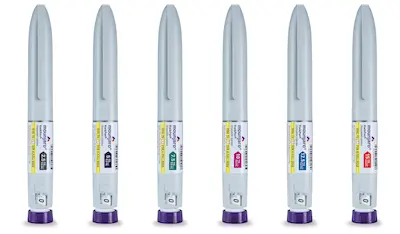
Why GLP-1 and Alcohol Feel Different Together
GLP-1 medications slow stomach emptying and reduce appetite, which changes how alcohol is absorbed and how your body responds to it. Many people report feeling the effects of alcohol more quickly, or more intensely, on a lower amount than they were used to before starting treatment. This isn’t universal, but it’s common enough to be worth planning for rather than assuming your old tolerance still applies.
The Main Practical Concerns
Increased nausea. Alcohol can worsen the gastrointestinal side effects that are already common on GLP-1 medications, particularly early in treatment or after a dose increase — the combination of slowed digestion and alcohol’s own effect on the stomach lining can make nausea considerably worse than either alone.
Low blood sugar risk, particularly relevant for anyone also managing diabetes with other medications. Alcohol can affect blood sugar regulation, and combined with a GLP-1’s effect on appetite and food intake, this can increase the risk of hypoglycemia in people on additional diabetes medications, especially insulin or sulfonylureas.
Reduced food intake changes how alcohol hits. Since appetite is suppressed, many people are eating less overall, and drinking on a smaller amount of food than usual can intensify alcohol’s effects, including impairment and next-day symptoms.
Dehydration risk compounds. Alcohol is dehydrating on its own; combined with any GI side effects (diarrhea, vomiting, reduced fluid intake from lower appetite), the combination can push someone toward dehydration more easily than either factor alone.
Does Alcohol Affect How Well GLP-1 Medication Works?
There’s no strong evidence that moderate alcohol consumption meaningfully reduces the effectiveness of GLP-1 medications for weight loss. The bigger practical concern is less about the drug’s mechanism and more about alcohol’s own calorie content (which can work against a calorie deficit) and its tendency to lower inhibition around food choices — both of which can indirectly affect progress.
Practical Guidance If You Choose to Drink
- Start with less than your old tolerance and see how you respond, rather than assuming nothing has changed
- Eat something before drinking, even a small amount, given how much appetite suppression can affect this
- Stay extra attentive to hydration, especially if you’re also experiencing any GI side effects
- If you have diabetes and take other glucose-lowering medications, monitor blood sugar more closely around drinking, and discuss safe practices specifically with your prescriber
- Pay attention to whether alcohol worsens your nausea — if it does, that’s useful information for deciding how much, if any, makes sense for you personally
When to Talk to Your Prescriber About GLP-1 and Alcohol
If you drink regularly, or have any history of alcohol-related health issues, it’s worth raising directly with your care team rather than figuring it out through trial and error. This is especially true if you’re on additional medications for diabetes or other conditions where alcohol interactions are more clinically significant. You can also review general guidance from the National Institute on Alcohol Abuse and Alcoholism.
The Bottom Line on GLP-1 and Alcohol
Alcohol isn’t strictly prohibited on Mounjaro or Wegovy, but the combination can meaningfully increase nausea, affect blood sugar in people on other diabetes medications, and hit differently than it used to due to reduced food intake and slowed digestion. Going in with lower expectations for your usual tolerance, and paying attention to how your body actually responds, is a more useful approach than assuming nothing has changed.
This article is for general educational purposes and is not a substitute for advice from your prescriber. Always discuss alcohol use and any medication interactions with your healthcare provider.
One Response