

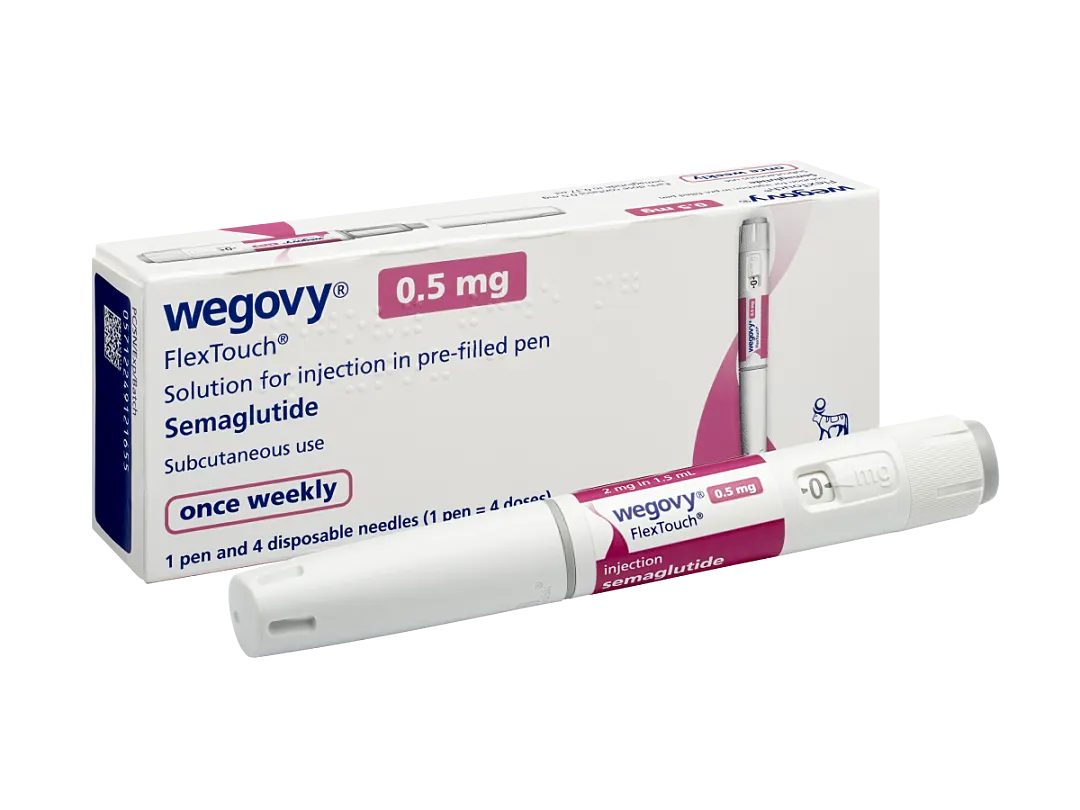
GLP-1 gallbladder problems are one of the less commonly discussed but medically important risks associated with medications like Wegovy and Mounjaro — not common enough to be the headline side effect, but frequent enough, and serious enough when they occur, to be worth understanding clearly.
What the GLP-1 Gallbladder Research Actually Shows
Clinical trials and post-marketing data on GLP-1 medications, including semaglutide and tirzepatide, have shown an increased rate of gallbladder-related events (gallstones, cholecystitis, and related complications) compared to placebo. The absolute risk is relatively low, but it’s consistently higher than in people not taking these medications, which is why gallbladder disease is listed as a recognized risk in prescribing information for this drug class.
Why This Happens
The connection isn’t fully understood, but the leading explanation relates to rapid weight loss itself rather than a direct drug toxicity effect. Rapid weight loss — regardless of the method — is an independently recognized risk factor for gallstone formation, because it changes how cholesterol is processed and concentrated in bile. Since GLP-1 medications often produce faster, more significant weight loss than most other approaches, this shared risk factor likely explains at least part of the increased gallbladder event rate.
GLP-1 Gallbladder Symptoms to Know
- Pain in the upper right abdomen, sometimes spreading to the right shoulder or back
- Pain that’s often worse after eating, particularly fatty or rich meals
- Nausea or vomiting accompanying the pain, which can make it harder to distinguish from ordinary GLP-1-related nausea
- Fever, which is more concerning and suggests possible infection or inflammation (cholecystitis) rather than simple gallstones
- Yellowing of the skin or eyes (jaundice), which is less common but signals a more serious complication requiring urgent attention
You can review official prescribing information and report side effects through the FDA’s MedWatch program.
Why This Is Easy to Miss
Because nausea and abdominal discomfort are already common, expected GLP-1 side effects, gallbladder-related pain can initially be mistaken for “just” a normal medication side effect. The distinguishing features are usually the specific location (upper right, not general stomach discomfort), the pattern (worse after fatty meals specifically), and pain that’s more severe or persistent than typical GI side effects.
Who May Be at Higher Risk
Existing risk factors for gallstones — including rapid weight loss from any source, a personal or family history of gallstones, and certain metabolic conditions — may compound with GLP-1-related risk. This doesn’t mean these medications are unsuitable for people with these risk factors, but it’s relevant information for your prescriber to have when weighing your treatment plan and monitoring approach.
What to Do If You Suspect a GLP-1 Gallbladder Problem
Contact your care team promptly if you notice upper-right abdominal pain, particularly if it’s associated with fatty meals, doesn’t resolve like typical nausea does, or comes with fever. This isn’t something to self-diagnose or wait out — gallbladder complications can escalate, and a timely evaluation (often starting with an ultrasound) can catch a problem before it becomes an emergency. See our guide to how GLP-1 injections work for more on the treatment mechanism.
The Bottom Line on GLP-1 Gallbladder Risk
Gallbladder problems are a real, documented risk associated with GLP-1 medications, most likely connected to the rapid weight loss these drugs produce rather than a direct toxic effect. The risk is low in absolute terms but worth taking seriously — knowing the specific symptom pattern (upper-right pain, worse after fatty food, possibly with fever) makes it much easier to recognize early and get evaluated promptly rather than dismissing it as routine nausea.
This article is for general educational purposes and is not a substitute for advice from your prescriber. Always discuss side effects and any changes to your treatment with your healthcare provider.