

Is BPC-157 safe? It’s one of the most widely discussed research peptides, generating significant interest for its studied effects on tissue healing — but “widely discussed” and “well-established as safe for human use” are two very different things, and the distinction matters. You can find BPC-157 and other research compounds in our peptide catalog.
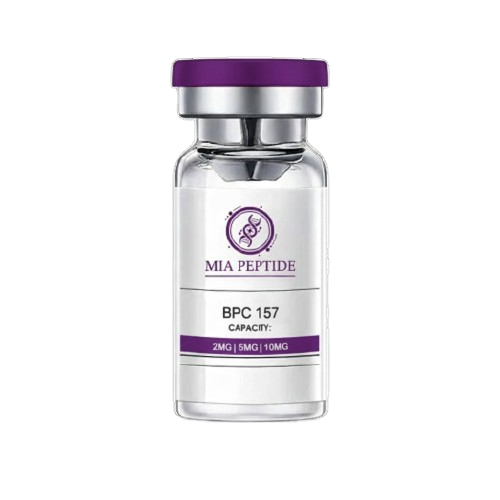
What BPC-157 Actually Is
BPC-157 (Body Protection Compound-157) is a synthetic peptide based on a sequence found in human gastric juice. It has been studied primarily in animal models for its potential effects on tissue repair, gut healing, and inflammation. Most of the mechanistic and efficacy research available comes from preclinical (animal and cell-based) studies rather than human clinical trials.
The Critical Distinction: Research Status vs. Approved Medication
This is the single most important fact to understand before considering BPC-157: it is not approved by the FDA, or any equivalent regulatory body, for human use. It is sold and studied as a research chemical — meaning the available data comes from laboratory and animal research, not from the kind of large, controlled human clinical trials that establish safety and efficacy for approved medications. This isn’t a technicality; it means there is no regulatory body that has reviewed and confirmed its safety profile, correct human dosing, or long-term effects the way there is for an approved drug. You can review the FDA’s general drug regulation resources at fda.gov/drugs.
What the Preclinical Research Suggests
Animal studies have explored BPC-157’s potential role in accelerating healing of tendons, ligaments, and gut tissue, along with anti-inflammatory effects. These findings have generated legitimate scientific interest and are part of why the compound is actively studied. However, findings in animal models frequently do not translate directly to humans — this is true across pharmacology generally, not a criticism specific to BPC-157 — and the absence of controlled human trials means dosing, absorption, interactions, and long-term safety in people remain genuinely unknown rather than simply “not yet publicized.”
Is BPC-157 Safe? The Known Unknowns
- Long-term effects of repeated use in humans
- Appropriate human dosing — dosing used in research settings, including animal studies, doesn’t automatically translate to a safe or effective human dose
- Interactions with other medications or supplements
- Purity and consistency standards across different suppliers, which affects both safety and whether research findings would even apply to a specific product
- Effects in people with pre-existing health conditions, which haven’t been systematically studied
What “Research Use Only” Actually Means
When a peptide is labeled “for research use only” or “not for human consumption,” this isn’t boilerplate legal language to be dismissed — it reflects the genuine regulatory and safety status of the product. It means the compound hasn’t gone through the process that would allow it to be marketed or labeled for human therapeutic use, and that manufacturing, purity, and dosing haven’t been standardized or verified the way they are for approved medications.
If You’re Considering BPC-157
Given the current state of research, a few things are worth weighing seriously: the absence of human clinical trial data means real uncertainty about safety, not just an absence of marketing approval; sourcing matters significantly, since purity and accurate labeling vary between suppliers and there’s no regulatory body verifying what’s actually in a given vial; and this is a decision worth discussing with a healthcare provider who can weigh it against your specific health situation, rather than proceeding purely on anecdotal reports or preclinical study summaries.
The Bottom Line: Is BPC-157 Safe?
The preclinical research on BPC-157 is genuinely interesting and part of why it continues to be studied, but it has not been established as safe or effective for human use through the clinical trial process that governs approved medications. Treating “actively researched” as equivalent to “proven safe” is a meaningful misunderstanding of where the science currently stands — anyone considering it should go in with clear eyes about what is, and isn’t, actually known.
This article is for general educational purposes only and does not constitute medical advice or an endorsement of using research chemicals for human consumption. BPC-157 is not FDA-approved for human use. Consult a healthcare provider before making any decisions related to research compounds.