
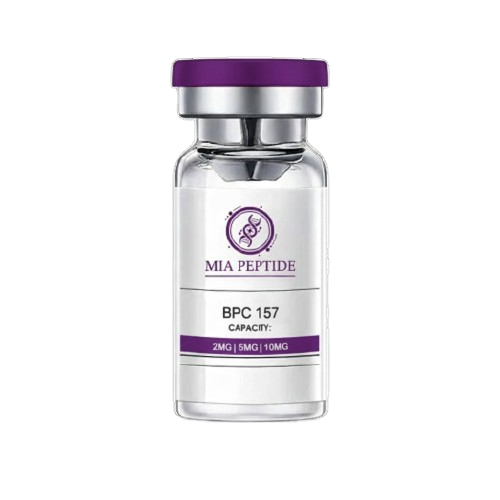
Description
BPC 157 is renowned for its cytoprotective (cell-protective) and regenerative properties. While its exact, comprehensive mechanism in humans is not fully understood, animal and in vitro studies suggest it works through several pathways:
- Promotes Angiogenesis: It encourages the formation of new blood vessels, a critical process for delivering oxygen and nutrients to damaged tissues, which is essential for wound and tissue healing.
- Modulates Growth Factors: It has been shown to upregulate the expression of the Growth Hormone Receptor in cells like tendon fibroblasts, potentially enhancing the proliferative and healing effects of growth hormone.
- Anti-Inflammatory Action: It helps modulate the nitric oxide (NO) system and inhibits various pro-inflammatory cytokines, which aids in reducing swelling and facilitating repair.
- Gastroprotection: Its original use was based on its ability to protect the gastrointestinal tract, demonstrating strong potential in preventing and healing ulcers, and mitigating damage caused by NSAIDs (non-steroidal anti-inflammatory drugs).
Potential Therapeutic Applications (Preclinical)
- Healing of musculoskeletal injuries (tendon, ligament, muscle, bone).
- Gastrointestinal disorders (ulcers, inflammatory bowel disease).
- Neuroprotection and nerve regeneration.
Current Status and Warning
BPC 157 is categorized by the FDA as a substance for which there is insufficient information to assess its safety, and it cannot be legally compounded by commercial pharmacies for human use. Due to the lack of large-scale human clinical trial data, its safety profile, long-term effects, and optimal human dosing are unknown. Its use is prohibited in competitive sports globally.
For a detailed look at what is and isn’t known about this compound, see our BPC-157 safety guide, and for the broader legal picture on research peptides, see our peptide legality guide.