

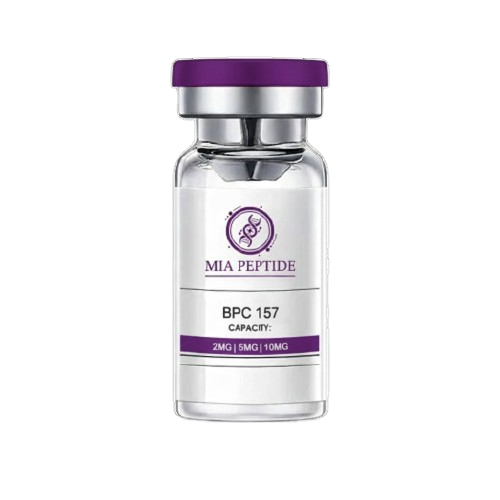
Is it legal to buy research peptides? The legal and safety picture is more nuanced than a simple yes-or-no, and understanding it properly means separating three different questions that often get collapsed into one: is it legal to sell, is it legal to buy, and is it safe to use. You can browse our research peptide catalog, including BPC-157.
The Legal Status: Research Chemicals, Not Approved Drugs
In the United States, most research peptides — including compounds like BPC-157, TB-500, and many others — occupy a specific regulatory category: they can be legally manufactured and sold for research purposes, typically to laboratories, researchers, and institutions, under the condition that they are labeled “not for human consumption” and marketed for research use only. This framework exists under general FDA authority over drugs and chemical substances, separate from the approval process that governs medications sold for human therapeutic use.
Buying a compound labeled for research use is generally not illegal in itself. What changes the legal picture is intent and representation — marketing a research chemical for human consumption, providing human dosing instructions, or making therapeutic claims can cross into the FDA’s authority over unapproved drugs, which is a different and more serious regulatory issue than the sale of the raw compound itself. You can review the FDA’s general drug regulation resources at fda.gov/drugs.
Why the “Research Use Only” Label Exists
This isn’t a legal loophole or a wink-and-nod formality — it reflects a genuine regulatory boundary. A compound sold for research use hasn’t gone through clinical trials, hasn’t been reviewed for human safety or efficacy, and hasn’t had its manufacturing process validated against the standards required for pharmaceutical products. The label is doing real work: it’s an accurate description of the product’s actual regulatory and evidentiary status.
Is It Legal, and Is It Safe? Two Separate Questions
Something being legally purchasable doesn’t mean it’s been established as safe. This is true of many products, but it matters especially here because “research use” compounds are, by definition, still in the research phase — meaning human safety data is often limited or entirely absent, dosing isn’t standardized, and product purity varies significantly between suppliers since there’s no regulatory body verifying what’s actually in a given vial.
What to Actually Look For If You’re Evaluating a Supplier
- Third-party Certificate of Analysis (COA) for each batch, ideally from an independent lab rather than the seller’s own internal testing
- Clear purity data (often expressed as a percentage via HPLC testing) rather than vague purity claims
- Consistent batch-to-batch information, not just a generic certificate reused across different products
- Honest labeling that doesn’t make therapeutic claims or provide human dosing instructions inconsistent with “research use only” status
Questions Worth Asking Before Using Any Research Peptide
- Has this specific compound been studied in human clinical trials, or only in animal/cell-based research?
- What does the supplier’s Certificate of Analysis actually verify, and is it from an independent source?
- Am I aware of the known and unknown risks specific to this compound, rather than relying on general reputation?
- Have I discussed this with a healthcare provider who can weigh it against my specific health history?
The Bottom Line: Is It Legal to Buy Research Peptides?
Research peptides generally occupy a legal gray zone that permits their sale for research purposes while explicitly excluding them from being marketed or used as approved human medications. That legal availability says nothing about whether a specific compound has been established as safe for human use — those are separate questions, and treating them as the same one is the single most common and consequential misunderstanding in this space.
This article is for general educational purposes only and does not constitute legal or medical advice. Research peptides are not FDA-approved for human use. Consult a healthcare provider and, if needed, legal counsel before making decisions related to research compounds.